How to Clean a Fishing Rod After Use: Ultimate Guide
Learn how to clean a fishing rod after use with simple steps. Protect guides, remove salt and dirt, extend rod life, and maintain peak fishing performance.
Post-use cleaning of a fishing rod is a critical practice of any fisherman who desires durability and consistency of the rod. Guides, blanks, and reel seats made of rod, when neglected, may be destroyed by dirt, salt, moisture, and debris. Sensitivity, prevention of corrosion, and smooth casting is achieved by regular cleaning. It is also a good investment that is safeguarded by proper maintenance, making it more efficient to fish on each trip.
Rods should be properly cleaned with safe practices after each fishing session particularly saltwater fishing. Most of the anglers do not consider this and the rod parts are not strengthened and the life is shortened. The proper cleaning of a fishing rod can also maintain strength, flexibility and accuracy. This manual describes easy but efficient cleaning methods involving the use of appropriate equipment and cleaning schedules.
Why Cleaning a Fishing Rod Is Important
When fishing rods are in use they are constantly exposed to water, sand, fish slime and other environmental debris. These factors are gradually corrosive of the rod materials, particularly guides and reel seats. Corrosion is caused by salt accumulation and decreased sensitivity is caused by dirt. Constant cleaning of the parts maintains smooth operation of the parts, preserves finishes, and keeps the rod in good operation in every fishing trip.
Rod cleaning is not a matter to ignore as it may reduce its life span. Caked dirt damages guides, influences the flow of lines and ruined blank coverings. In the long run, structural integrity may be affected through corrosion. Rod maintenance saves on expensive repairs and replacement. Clean fishing rods also have improved casting accuracy, line control and reliability both in freshwater and saltwater fishing environments.
Must-Read Guide for Anyone Looking for Top Rods
Tools Needed to Clean a Fishing Rod
Simple and safe tools should be collected before cleaning a fishing rod to prevent damage. You will require fresh water, gentle dish soap, soft sponge, microfiber cloth, cotton swabs and a tiny soft-bristle brush. They are useful in that they clean surfaces without scratching them and do not damage the rod finishes in the process of cleaning.Do not apply hard chemicals, abrasives pads or tough detergents on a fishing rod.
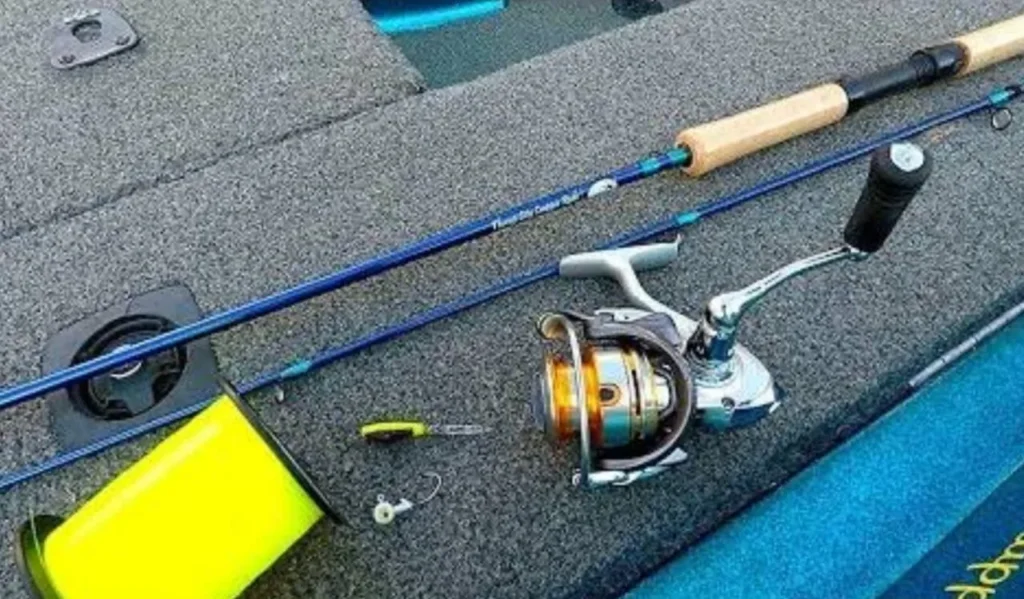
Protective coatings and weakening components can be damaged by such materials. The correct equipment will provide complete cleaning and retain the integrity of rods. Carrying a special rod cleaning tool will assist the angler in doing a simple maintenance work after each outing and this will increase the life of the rod and ensure that the fishing performance remains unaffected.
Rinsing the Fishing Rod Properly
Begin by washing the fishing rod thoroughly with fresh water as soon as one is through. This measure eliminates salt, sand, and debris on the surface before they become hard. Low pressure water should be used to avoid forcing the particles into guides or reel seat. Rinsing the rod will help in further cleaning and has reduced chances of abrasiveness in the process of scrubbing.
In saltwater fishing rods, rinsing is of great significance. Crystals of salt may lead to corrosion when not treated. Keep the rod horizontal and rotate filling it even with water. Take note of guides, deal with areas and reel seats. Rinsing thoroughly will help greatly to minimize the long-term damage, as well as make the rest of the cleaning process easier.
Must-Read Guide for Top Picks of Best Fishing Reels
Cleaning the Rod Blank Safely
A soft sponge and soft soapy water must be used to clean the rod blank. Wipe the whole blank tip to handle gently off, getting off grime and fish residue. Use light pressure because it can destroy finishes. This procedure reinstates the look of the rod and stops the accumulation that might lead to the structural integrity in the long run.
Rinse the blank after cleaning with fresh water to wipe off the residual of soap. Remaining soap may encourage dirtiness in the future. Wipe off the moisture on the blanket with a microfiber cloth in order to avoid water spots. Flexibility, sensitivity, and strength in proper blank care are important in keeping the rod functional during the casting and fish fighting.
Cleaning Fishing Rod Guides Carefully
Rod guides should be of special concern since they directly influence movement of fishing lines. Clean guide frames and inserts with a soft brush or cotton swab moistened in soapy water. Cleanse dirt, salt and line residues. Clean guides eliminate the wear of lines, minimize friction and ensure the continuity of smooth casting during fishing.
Look closely at the inspect guide on cracks, corrosion, or rough edges during cleaning. Broken guides may cut fishing lines and break them. Rinse them well after cleaning and dry them up. Frequent maintenance of the guides enhances the casting range, safeguards the fishing line, and sustainability of the guides under any fishing environment.
Different Types of Fishing Rods and How to Use Each Rod
Maintaining the Handle and Grip Area
Fishing rod handles become dirty and greasy. Wipe off clean using mild soap and a soft sponge, clean cork, EVA foam or rubber grips. Wash lightly to get rid of stains without destroying the material texture. Antibacterial grips enhance comfort when holding the handle and ensure that bacteria do not accumulate in the handle, especially in extended fishing hours.
In the case of cork handles, do not keep them longer in water. Too much moisture may make cork weak. Gently rinse and dry completely using a clean cloth. The correct maintenance of handles keeps the comfort, appearance and lifetime intact which makes the angler to keep a firm grip and confidence during casting and fighting of fish.
Cleaning the Reel Seat Area
The reel is fastened in the reel seat and therefore cleanliness is necessary. Clean Threads and locking mechanisms Before cleaning, remove the reel and clean using a soft brush. Salt and dirt deposits in this place may lead to stiffness or corrosion. Clean reel seats provide a good reel attachment and performance when fishing.
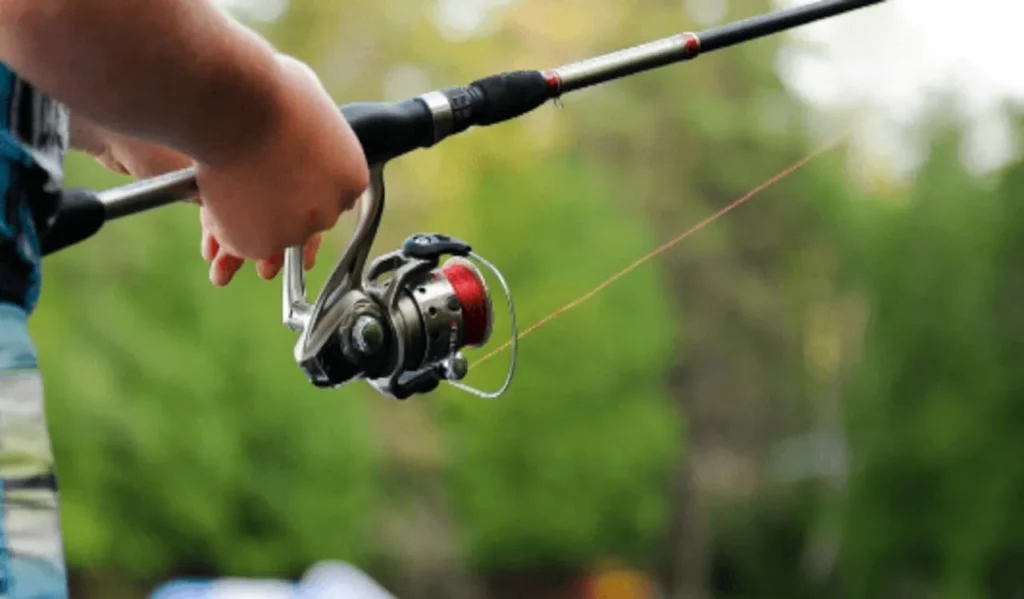
Wipe the reel seat and dry thoroughly. Use a light protective spray as prescribed by the manufacturer. Do not use heavy lubricants that are dirt attracting. Correct reel seat maintenance will avoid seizing, prolong component life and provide safe reel installation particularly when casting heavily or catching powerful fish.
Drying the Fishing Rod Correctly
It is as important to dry the fishing rod as it is to clean. Wipe off all the moisture with a microfiber cloth on the blank, guides and handle. Water that is not evaporated may lead to corrosion and mildew. Good drying is done to make sure that there are no water pools in guides or reel seat sections.
Before storing, ensure that the rod is completely dry in a shaded and well ventilated place. It is not to be exposed to direct sunlight, which weakens rod materials. Correct drying avoids damage in the long run and the rod is in a condition to take the next fishing trip with maximum strength, flexibility and reliability.
Different Types of Fishing Reels and How to Use Each Reel
Storing the Rod After Cleaning
When the rod is dry, it should be stored in a safe and controlled place. Apply rod sleeve or cases to shield against dust and impact. Place store rods horizontally or vertically and not pressed on tips. Correct storage keeps it straight and does not allow it to warp or be damaged accidentally in the long time of inactivity.
Storing rods in wet places or high temperatures is to be avoided. Humidity promotes corrosion whereas heat undermines adhesives. Arranged storage increases the life of the rods and usability. Well-kept clean rods work better, and are of longer life, and are dependable to both the amateur and the professional fisherman.
How Often Should You Clean a Fishing Rod
After each fishing trip, fishing rod must be washed particularly in saltwater. The continuous cleaning will avoid accumulation and damage in the long run. Freshwater fishing also brings about dirt and organic residue. Regular maintenance is something that will guarantee the same performance and minimize the necessity of deep cleaning or future repair.
Most trips will be met by a quick rinse and wipe after use. Periodically deep cleaning may be performed. Regular cleaning practices will ensure that your investment is safeguarded, and the benefits of fishing are increased, as well as that your equipment is at the ready whenever you come to the water.
FAQs About How to Clean a Fishing Rod
Final Thoughts
When it comes to a fishing rod, the process of cleaning it once used is an easy but effective practice that keeps performance and longevity secure. Periodic maintenance ensures that there is no corrosion, enhances sensitivity and smooth casting. With the help of appropriate tools and methods, each part is in excellent condition. A clean rod is better and offers more confidence with each fishing expedition.
Anglers can increase the life of the rod and save money repairing their rods by adhering to regular cleaning schedules. The process of maintenance is supplemented by proper drying and storage. Fishing in the freshwater or in the saltwater, clean equipment is always reliable. By taking good care of your fishing rod, you will get to enjoy, have successful and stress-free fishing experiences in the coming years.