How to Fish for Walleye with Jigging Rods: Ultimate Guide for Beginners
Learn how to fish for walleye with jigging rods using the right rod, reel, line, jigs, and techniques for lakes, rivers, and ponds effectively
Walleye are mainly nocturnal predators and they are known to feed in the lakes, rivers and reservoirs in the bottom. They like drop-offs, channels, weeds sides, and submerged constructions. With jigging rod, vertical presentation of the bait can be presented precisely and also the slightest bites are recognized. It is a more effective and efficient way of controlling strikes since the angler can replicate the natural prey movement and has higher chances of catching walleye in both deep and shallow waters.
Jigging rods give the sensitivity required in the detection of light nibbles and delicate hits. Walleye fish have delicate mouths which can easily release the hook hence correct use of rods avoids lost fish. Through knowledge on feeding behavior, depth and the position of structures, an angler can position jigs in optimal positions. When rod sensitivity is combined with proper jigging methods, the strike rates will increase and the success will be improved both in day and night fishing.
Choosing the Right Jigging Rod for Walleye
The choice of the correct rod is also important to effective fishing of the walleye. Six to seven feet medium rods are light to medium, giving the right degree of sensitivity and strength. Quick hook sets could be made with fast-action rods and the jig and line could be controlled. This setup allows the angler to pick up on minor movements and react effectively, which are more likely to increase the success rate in the vertical jigging program in the lakes with different water conditions.
Sensitivity and durability depend on the rod material. Graphite or composite rods are lightweight but powerful, which has sufficient flexibility to identify minor bites without losing the leverage. Medium-light rods enable an angler to sense the smallest hits as well as control them during fish runs. A balanced rod will help to decrease fatigue during the extended sessions and help to achieve the right position of the jig, which will result in the increased catch of walleye in general.
Must-Read Guide for Anyone Looking for Top Rods
Selecting the Best Reel and Line
Depending on the preference of the angler and the location where one is fishing, a baitcasting or spinning reel would be the best reel to use in jigging the walleye. Smooth drag reels deal with stalled blows and powerful runs. Medium reels have adequate line capacity to accommodate deep drops and protracted battles and anti-reverse facilities ensure no slack line problems. Improper reel choice matches with the rod, which makes it easy to handle and control in a long-term fishing experience in pursuit of walleye.
The choice of line is important in order to maximize jigging efficiency. Between 6 -12 lb test Monofilament or fluorocarbon lines provide strength, sensitivity and stealth in clear water. Fluorocarbon chiefs decrease the visibility whilst retaining the ability to resist abrasion around the rocks or structures. The correct reel and line ratio will make sure that you have the right jig placement, the hook sets will be smoother and the landings will be secure with the walleye.
Must-Read Guide for Top Picks of Best Fishing Reels
Choosing Lures and Jigs for Walleye
Jigs work very well with walleye fishing particularly when baited with live insects like minnows, leeches or worms. The twister tails, small spoons and soft plastic grubs also yield good results. Jigging rods enable the vertical presentation enabling the bait to be in the target area. Successful strike frequency of walleye in a lake or a river is significantly enhanced by proper selection and placement of the lure as well as close to structures such as drop-offs or weed edges or channels.
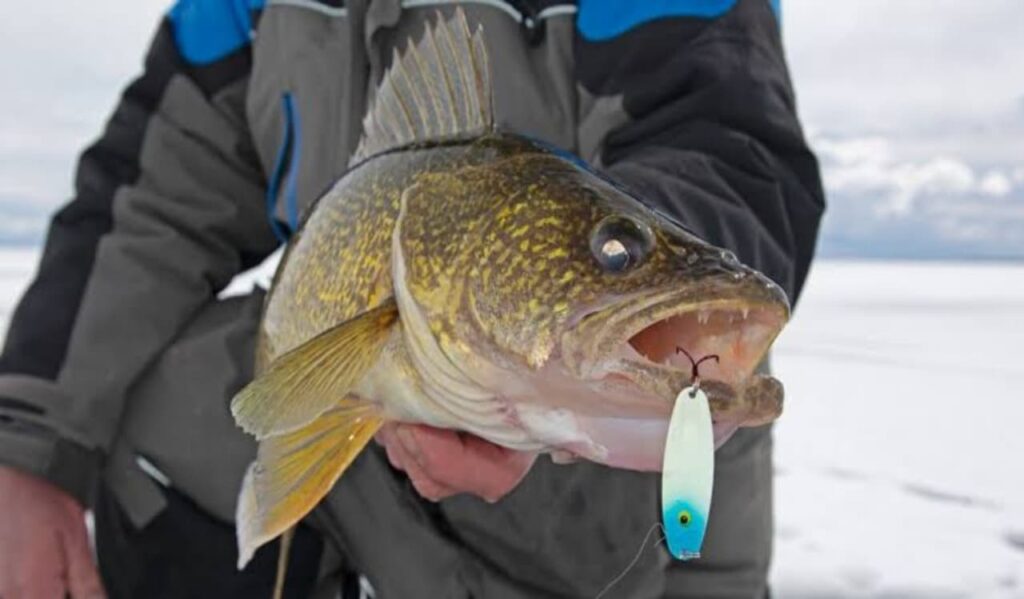
Jig movement, color and size are also important. The bright or natural colors are to be associated with water clarity and light. Slow lifts, pauses or slight shakes should be imitated by the angler so as to replicate the movement of prey. This stimulates violent attacks of the shy fish. Choosing the right lure and using the right rod technique will guarantee the fishermen the best catch and a more enjoyable jigging experience as the fishermen target walleye all the time.
Casting and Jigging Techniques
The main method of jigging is vertical presentation of bait and not long cast. Place the jig at the bottom and close to structures or cover and leave it to sink by itself. Raise and drop the tip of the rod gradually or rhythmically to mimic prey, which will result in walleye taking the flies. It is important to keep the bait constantly moving around the bottom to keep the bait within the best strike zone during the session.
It is necessary to control the depth correctly and find active fish. Jigging rods allow the leverage which is necessary to maintain regular contact with the bottom and apply minor movements. Control lift speed, pauses and retrievals according to walleye responses. Smooth, rhythmic jigging motions are used to enhance bite detection and avoid spooking fish leading to higher catches and more effective walleye fishing in the lakes as well as flowing water.
Different Types of Fishing Reels and How to Use Each Reel
Fishing Walleye in Rivers
Walleye are usually found in deep pools, eddies or locations behind submerged obstructions in rivers where the current is slowed down. Jigging rods enable the angler to place the bait in the right position and also to control it against flowing water. It is important that proper drag and constant tension is achieved to fight fish without spooking the walleye. Monitoring the levels and patterns of water movement can be used to identify the best areas to have a successful session.
Flowing water is one of the roles played by line management. Holding the jig in a tension state and letting the jig fall by itself enhances the detection of the bite. Walleye fish usually encounter upstream movement thus dropping jigs just above or ahead of fish is a natural way of presenting them. Sudden run absorption and better control are achieved by jigging rods. Increase in the river settings by adjusting jig size, weight, and retrieval technique to suit prevailing conditions.
Fishing Walleye in Lakes and Ponds
Walleye usually suspend at drop-offs, edges of the weeds and submerged structure or flats in still water. Jigging rods enable the angler to have a precise control of the depth they wish to reach. Slow lifts and vertical jigging attract wary fish. Holding the jig at the lower part and gentle movement of the rod enhances presentation and increase the number of bites of an active walleye.
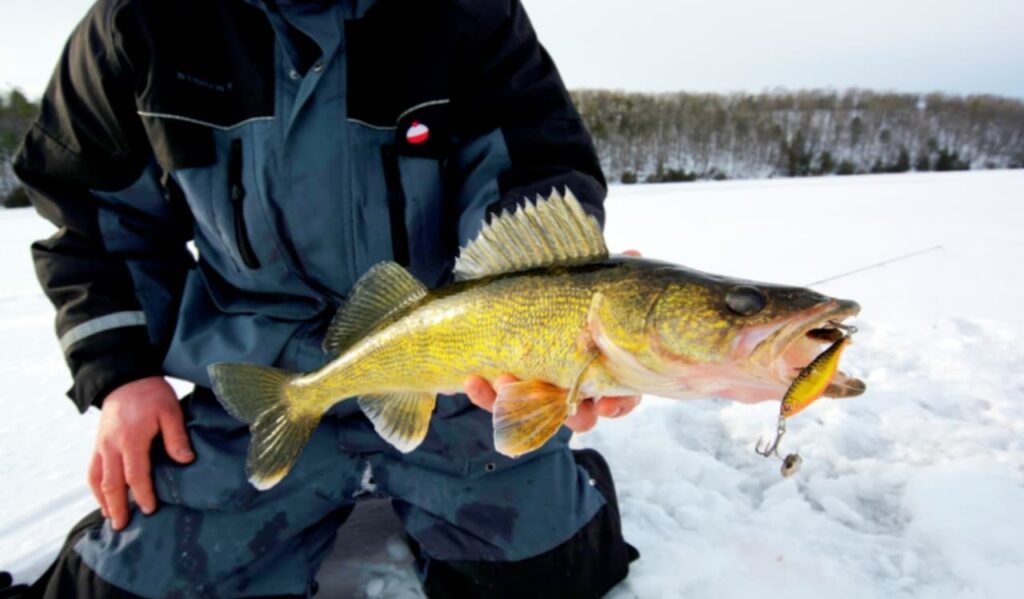
Depth and timing modifications are very important. Walleye are most active in the morning and evening. It is easy to find active fish with the help of a wide range of jig colors, sizes, and retrieves. Jigging rods are sensitive and leveraged to sense the slightest strikes and control fish in the process. Monitoring water leads to increased productivity of walleye fishermen in lakes and ponds at all times.
Setting the Hook with Jigging Rods
The mouths of the walleye are soft and hook-setting technique must be soft but firm. Lift the rod gradually maintaining tension on the line so that it penetrates well. Very aggressive hook sets can tear the bait off causing loss of fish. Jigging rods offer the optimal amount of sensitivity and strength to make good hook sets and still retain the fish in the hook when they are struck with subtle strokes. Pre-fight walleye drag adjustment to control unexpected runs.
The drag and even rod lift are smooth and steady, and the angler is able to take in the sudden movements without losing control. Hook setting is done properly and it helps in hooking the fish and limiting the breakage of the line. The combination of rod flexibility and strength will secure hooking of the walleye in a safe way which will provide the angler with a better opportunity of landing the fish and minimal loss of bait.
Different Types of Fishing Rods and How to Use Each Rod
Fighting and Landing Walleye
The battle of walleye involves limited pressure, patience and continuous tension of the line. Jigging rods take jolts, shakes of the head, and jumps, and hold hooks in place. Do not press the fish, the walleye is a delicate fish, and will spit the hook in no time when handled roughly. Making the landing smooth and consistent has a positive impact on landing success and a decrease in lost fish when dealing with a spirited medium or large walleye.
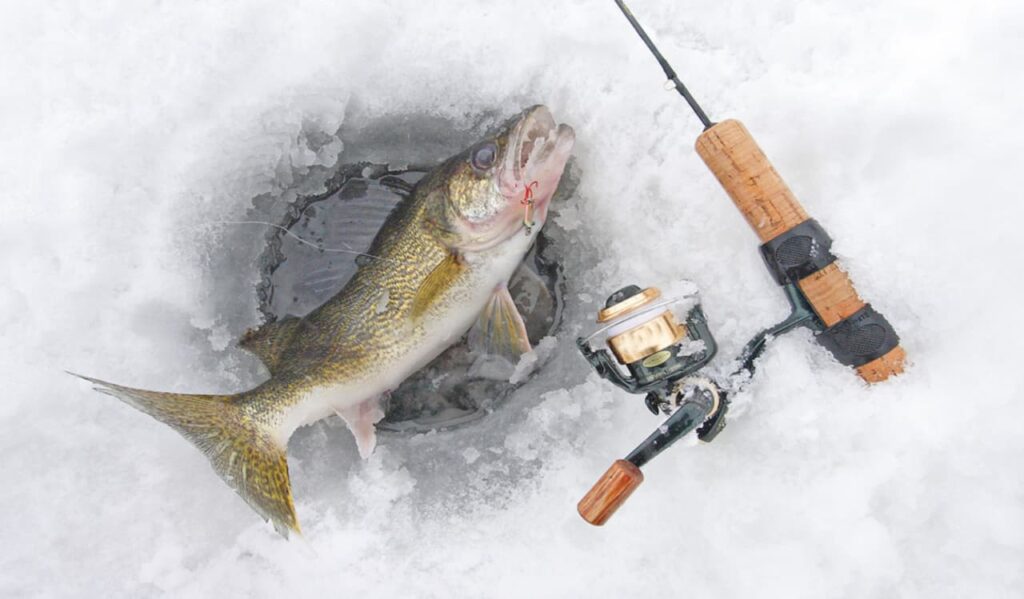
Walleye can be landed either by a net or by hand. The jigging rods have leverage to direct the fish towards the angler. This is done by taking good care of the fish and the tackle. Maintaining constant tension on the line and managing movement is a sure way of a smooth fight and safe landing. The method eliminates stress to the fish and ruining the rod or reel.
Common Mistakes and Final Tips
Some of the most frequent errors are excessive line weight, jig lifting, not paying attention to minor bites or the wrong drag set-up. Such mistakes usually cause missing fish or missing hits. Jigging rods can be used to make a perfect presentation, delicate hook sets and to have good detection of a bite when properly used. Proper technique will reduce the number of errors and increase the catch rates of walleye to all levels of experience.
The most important things in the successful walleye fishing are observation, patience, and adaptation. Decide on coloring of jig, depending on depth, clarity, and activity. The correct combination of rod, reel, line, and bait will make sure that the fights are smooth, strikes are high, and landings are safe. With proper practice and consideration of the water conditions, angler can have productive, efficient and enjoyable experiences with the walleye jigging.
FAQs About How to Fish for Walleye
Final Thoughts
Fishing walleye with jigging rods is both rewarding and effective for anglers of all skill levels. Using the right combination of rod, reel, line, and jig ensures precise presentation, better bite detection, and controlled hook sets. Proper technique, including smooth lifts, pauses, and depth adjustments, increases strike rates while protecting the fish and tackle during fights in lakes, rivers, or ponds.
Observation, patience, and adaptation are key to success. Understanding walleye feeding patterns, structure, and water conditions allows anglers to adjust jig size, color, and retrieval method. Jigging rods provide sensitivity and leverage to detect subtle bites and control fish during fights. Consistent practice ensures productive, safe, and enjoyable walleye fishing experiences every season.