How to Match a Fishing Rod with a Reel: Ultimate Guide
Learn how to match a fishing rod with a reel for perfect balance, smoother casting, better control, and improved fishing performance.
One of the most crucial things that an angler can do is to match his or her reel with a fishing rod. Even the best quality gear would not work well unless the rod and reel are matched together. Balance, compatibility and purpose are all important in the process of making the right combination. An appropriate outfit enhances the accuracy of casting, sensitivity and comfort of fishing.
Most of the beginners and other angler buy rods and reels independently without knowing the interaction between the two. This usually causes tiredness, hook line problems or lack of hook-setting skill. In cases where a rod and reel are complementary to one another, they produce a smooth and efficient fishing system. Knowing how to match fishing rods and reels assists an angler to fish longer, better and with confidence.
Understand Rod and Reel Compatibility
Each fishing rod is made to fit in certain types of reels. Spinning rods are matched with spinning reels and the baitcasting rods are designed to match baitcasting reels. The wrong reel on a rod influences balance, casting and line management. The reel seat, guides and rod spine are specific to a particular reel orientation.
Spinning rods have larger guides below the rod to minimize the twisting of the line and the baitcasting rods have smaller guides on the top to cast with control. Fly rods are produced specifically to be used with fly reels and special lines. These compatibility basics will help avoid problems with performance and will make sure that the rod and reel will act as a single unit in the course of fishing.
Must-Read Guide for Anyone Looking for Top Rods
Match Rod Power with Reel Strength
Rod power is the degree of force required to bend the rod and it is ultra-light to extra-heavy. The reel should be able to accommodate the line weight and fish size, which is why it needs to be of the same power rating. When a light rod is combined with a heavy reel, the rod may be unbalanced and less sensitive to fishing.
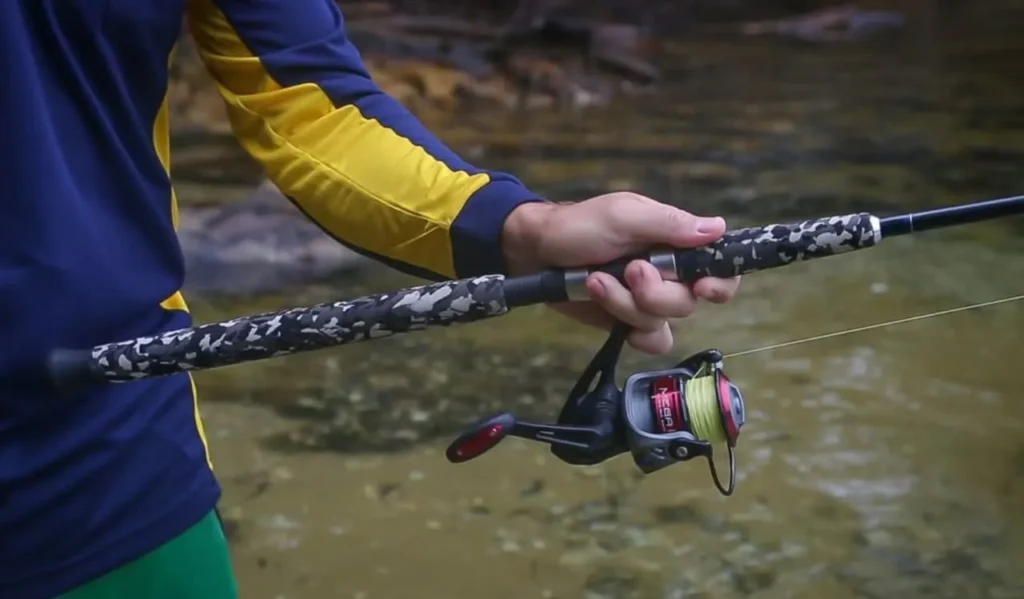
In the same way, a light reel in a heavy rod might not be able to withstand the drag pressure and line control. Medium-size reels are often used with medium-power rods to ensure that they are versatile. Rod power and reel strength match up make sure that the hook sets are right, the retrieves are smooth and more control is exerted in case of fighting fish of various sizes.
Consider Rod Length and Reel Size
Rod length is the factor that determines casting distance and leverage and reel size determines the line capacity and retrieval power. The smaller reels are normally matched with the short rods and give better balance and control. Long rods have a need of reels that are a bit bigger in order to be stable and prevent the tip-heavy arrangement when fishing long.
When the reel is excessively heavy to carry on the rod, it leaves a person with a sore wrist and allows less accuracy. When the reel is too small it might lack sufficient line or sufficient drag power. Corresponding the rod length with a corresponding sized reel makes a harmonious system which is comfortable and receptive.
Must-Read Guide for Top Picks of Best Fishing Reels
Balance Is the Key Factor
One of the most neglected aspects of the matching of a rod and reel is balance. Balanced rigs are comfortable to hold and enable the angler to fish longer without any strain. The rod and the reel must be in a state of balance on the reel seat, and not inclined too much toward the end or towards the handle.
An unbalanced combo has an impact on sensitivity and control particularly when playing with lures or with finesse techniques. Balancing the rod horizontally is one way of testing compatibility. A good balance enhances the rhythm of the cast, the sensitivity of the bite, and general fun and enjoyment as you are not always changing your grip.
Line Weight Compatibility
Fishing rods are categorized with a given range of line weights and reels are categorized to take a given line capacity. It is necessary to match these ratings in order to prevent performance problems. Heavy fishing line is also not recommended as it will overload the reel and shorten the casting range whereas light line might snap under tension.
The weight of the line placed on the reel spool must be comfortable within the rod. Balanced line choice advances drag performance and casting efficiency. Correct line compatibility guarantees a smooth working experience and eliminates line twist, line backlash or early wear of both the rod and the reel.
Match Fishing Technique and Target Species
Various methods of fishing demand particular rod and reel combinations. As an illustration, finesse fishing is best done on light rods and small spinning reels, whilst heavy cover fishing is best done with heavy rods and high power baitcasting reels. Technique-equipment fit enhances performance and lessens equipment fatigue.
Major role is played by target species as well. Light outfits are necessary with small panfish, heavier rod-reel combinations with bass, pike, or salt water fish. Knowledge of technique and species has a tremendous impact on the selection of the gear to guarantee improved hook sets, smooth fights, and success rates on the water.
Different Types of Fishing Rods and How to Use Each Rod
Gear Ratio and Rod Action Relationship
Gear ratio refers to the speed at which the reel retrieves line and rod action refers to the location of the bend in the rod. High gear ratio reels are compatible with fast-action rods to make fast hook sets and retrieve their lures. Moderate gear ratios are usually suitable to slow-action rods to presentations under control.
It is efficient to match the rod action and reel speed. As an illustration, crankbait fishing can be done with moderate length of rods and slower gear ratios and topwater fishing can be done with fast-action rods and fast reels. This relationship can be understood to enable the angler to control lure and fishing landing.
Freshwater vs Saltwater Matching
There are freshwater and saltwater fishing that will involve various rod and reel considerations. Saltwater systems have to deal with corrosion, bigger fish and heavier lines. When a reel is matched with a corresponding rod, it is saltwater rated thus making it durable and reliable under tough weather conditions.
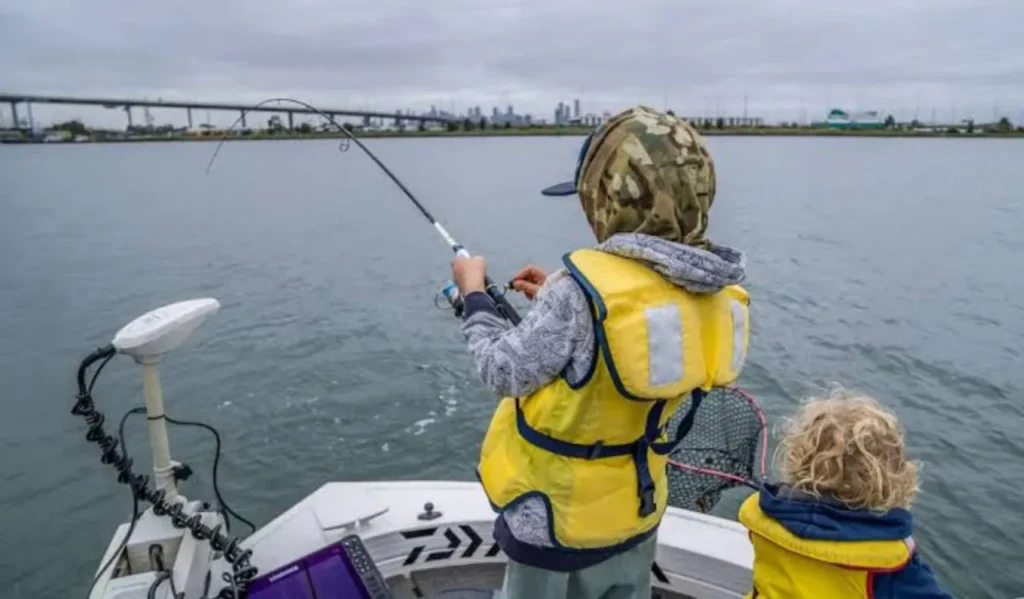
Lightweight balance and sensitivity are the priorities of freshwater combinations. It can be cumbersome to use a salt water reel on a freshwater rod. When going fishing, always make sure that the rod and the reel are purpose-made to fit the same environment in order to enjoy longer life, performance and comfort in the trip.
Comfort and Ergonomics
The comfort is also a significant factor in pairing a rod and reel and it is particularly important in long fishing hours. The design of the handle, the weight of the reel, and the material of grip must be natural. A comfortable system helps in minimizing exhaustion and enhances control in casting and retrieving repeatedly.
It is important to test the reel seat in the reel of the rod. Fancy or clumsy fits lower confidence and stability. Ergonomic matching facilitates easy handling, increased sensitivity, and more pleasant fishing experience, so the fishermen can concentrate on technique and not on the pain.
Different Types of Fishing Reels and How to Use Each Reel
Testing Before Finalizing the Combo
Where feasible, buy, and use the rod and reel together. Install the reel, pick up the rod and imitate casting actions. This assists in determining balance problems, comfort problems or unmatched components prior to striking the water.
Testing is also another process to enable angler to test accessibility of drag, handle clearance and general feel. Even correctly selected specs may be wrong on the practice. Practical testing is done to make sure that the rod and reel are compatible and are able to work in the actual situation of fishing.
FAQs About How to Match a Fishing Rod with a Reel
Final Thoughts
To be successful, comfortable, and do the right job, it is necessary to match a fishing rod to the proper reel. A well matched system increases the accuracy of casting, sensitivity and fish-fighting capability. The knowledge of rod power, action, reel size, and balance can assist an angler in preventing the most frequent errors and having better fishing experiences.
It is worthwhile to spend time trying combinations and fishing style in the long-term perspective. Fishing in freshwater or salt water, the proper combination of a rod and a reel will increase confidence and outcome. Having a proper equipment, any fishing adventure will result in a more fruitful, comfortable, and pleasant one.