How to Rig a Rod for Live Bait: Ultimate Guide for Beginners
Learn how to rig a rod for live bait with the right rod, reel, hooks, line, and leader to improve bait presentation and catch more fish.
One of the best methods of predatory fish capturing is live bait fishing. Fish are attracted by the use of natural bait such as minnows, worms, or shrimp which attracts movement, odor, and vibration. It is important to rig your fishing rod in a natural and enticing way so that presentation of bait is natural. Proper rigging enhances the casting, hook sets and general performance in the freshwater and saltwater environment.
In live bait fishing, one should take into consideration the type of bait, water and fish behavior. The sensitivity of the rod, the choice of line and the size of the hook directly affect the bait perception of fish. When the bait is properly prepared it will move naturally in the water currents and this will maximize strikes. The knowledge of these basics enables the angler to change to suit the target species and fish with live bait to the best of their ability.
Choosing the Right Rod
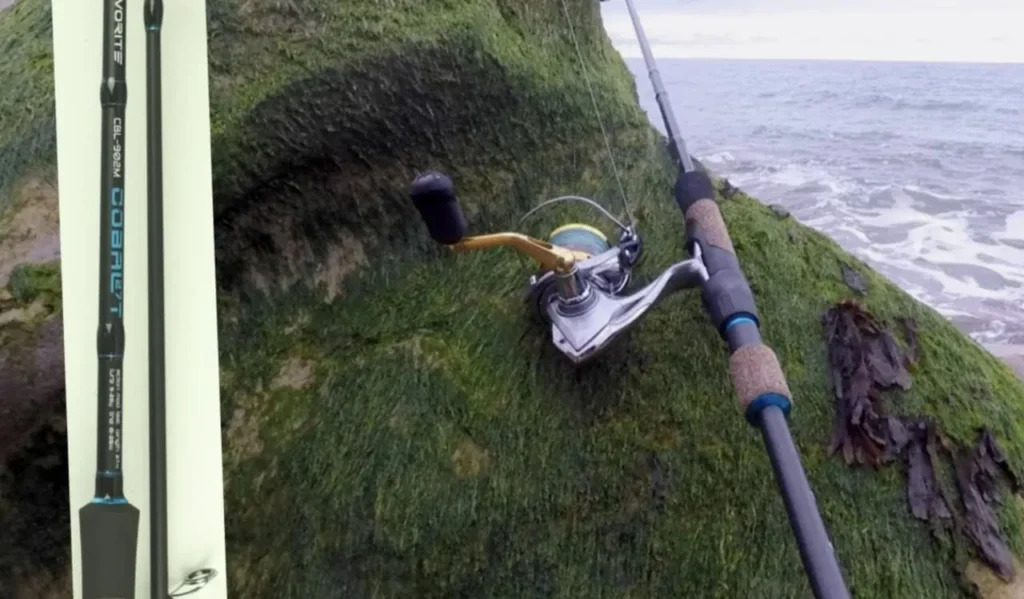
Live bait fishing depends on the choice of the right rod. Medium to medium power rods of six to seven feet are suitable with most bait species. Sensitive bite detection is possible with fast or medium action rods, but with sufficient backbone to be able to set hooks. Direct effects of rod selection on casting, control and hook-up success in live bait fishing expeditions are observed.
Graphite rods are delicate and lightweight and pick up the slightest bites of apprehensive fish. Composite rods are more durable and flexible, which is beneficial with a beginner or a heavy fish. The selection of the rod should be done well to balance comfort, sensitivity and strength. An appropriately selected rod enhances the effectiveness of the entire fishing and assists the angler to introduce the live bait in a natural manner to get more fish.
Must-Read Guide for Anyone Looking for Top Rods
Selecting the Correct Reel
Live bait fishing requires reel choice to be successful. Spinning reels are best used with light weight bait and long casts whereas baitcasting reel is used with heavier bait. Smooth drag systems also ensure that the line is not broken when the fish is on a strong run. The selection of the appropriate reel enhances accuracy in casting, control of the lines and enables the angler to battle fish without any fear of losing his live bait gear.
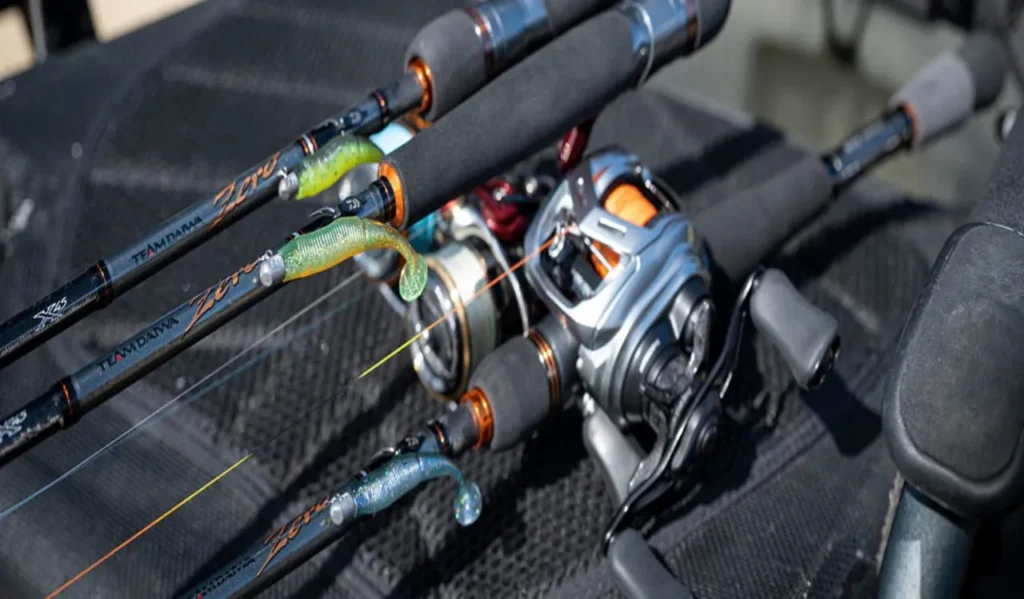
The balance between the rod and target species and reel size is guaranteed. Large reels decrease sensitivity whereas small reels decrease the line capacity. Before fishing, it is a good idea to test the reel drag and avoid surprises. The choice of reels is done properly so that the angler can experience tension, manage fish during the fight, and make the best use of the live bait presentation to suit the various conditions in water.
Must-Read Guide for Top Picks of Best Fishing Reels
Choosing the Right Fishing Line
Live bait fishing depends on the choice of fishing lines. The monofilament lines are used to provide stretch and shock absorption and can therefore be used on gentle bites. Fluorocarbon lines are not as noticeable in the water and enhance stealthiness in pursuit of cautious fish. Larger species are given strength by braided lines. When baiting use the right line to make the process of casting easy, enhance better bait delivery, and increase hook-ups in live bait fishing.
The size of the bait should be the same as the target species. Light lines will increase the movement of natural bait, and heavy ones will enable more control of large fish. Check line prior to trip- check in case of frays or damage. Using the right line will eliminate break-offs, enhance lure activity and enable fishers to present live bait in a natural manner without scaring them away.
Selecting the Right Hooks
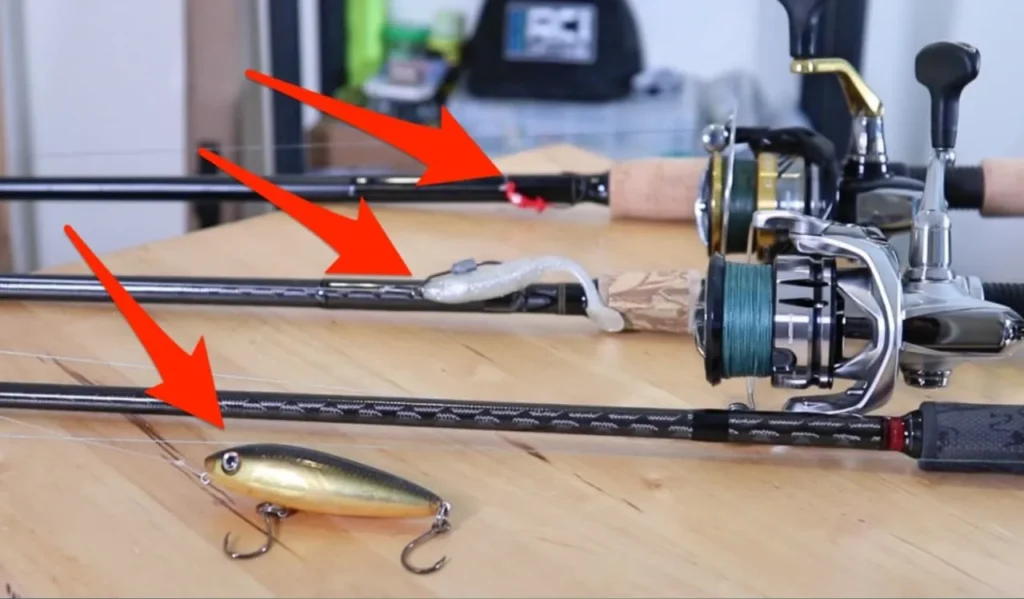
Live bait is also required to be secured with hooks. Circle hooks are useful since they cause fewer gut-hookings and higher hook-up rates. J-hooks use a wide range of baits and methods to fish. The hook size must be equal to the size of the bait and the target species. How to have the right hook is important to make sure that bait is alive and that angler can effectively place hooks when fish strike.
It is important to put the hook in the right location on a live bait. Hooks are to be inserted on the back of the bait, the lips, or the nose of the species. It is properly rigged so that the bait moves in a natural way to get more hits. Before fishing, it is important to check the sharpness of the hook beforehand to increase penetration and minimize lost fish. Live bait is most effective when well-chosen hooks are used to maximize the efficiency and maximize success.
Attaching a Leader Line
A leader line is used to guard rocks, dental and structural abrasion. Fluorocarbon leaders are usually employed in live bait fishing to be invisible and strong. Fix the leader lines to the mainline by tying with powerful knots such as the double uni knot. Good leader attachment will guarantee durability, loss of fish will be avoided, and natural bait will move under water so that it is better presented. The balance of stealth and control should be in the length of the leader.
Too short causes the protection to be too short and too long makes it less sensitive and less accurate in casting. Before casting, it is important to check knots and connections to be sure that it is reliable. A well rigged leader can increase the hook-up rate of fish, ensure that bait remains in position and gives the angler a chance to pursue predatory fish in various fresh water and saltwater setting.
Different Types of Fishing Reels and How to Use Each Reel
Rigging Live Bait Properly
Live bait rigging is a technique of threading or hooking of fishing bait to keep it in motion to ensure that it does not escape. In the case of minnows, hook behind, or through the lips so that they can swim. Worms can also be threaded so that they wriggle on their own. Effective rigging keeps the bait energetic, acts like a natural prey and attracts attacks of predatory fish when casting or trolling.
Poor rigging decreases the bite rates and may destroy bait. Live bait should not be crushed or over-secured. Test the rig by wiggling the bait so that it acts naturally. Properly rigged live bait enhances probability of strike, prolongs the bait and provides the angler with maximum enjoyment of their fishing experience by making it more attractive to fish.
Balancing Rod, Reel and Bait Weight
It is necessary to balance the fishing rod, reel, and live bait weight in order to be comfortable and to perform. An imbalanced arrangement lowers the casting precision and leads to exhaustion. Make sure the bait weight is equal to the power of the rod and the size of the reel. Good sense of balance enhances sensitivity, hook-set performance and easy retrieves where the angler can present live bait in an unnatural manner without disturbing movement or behavior.
Balance testing prior to fishing eliminates problems on the trip. Grasping the rod at the reel seat will demonstrate a feeling of the tip being heavy or with an uneven balance of weight. Make line or reel adjustments as required. A balanced rod makes it comfortable to have long casting sessions, better presentation of baits, and enables the angler to fight fish without affecting his/her performance.
Different Types of Fishing Rods and How to Use Each Rod
Testing the Rig Before Casting
Prior to fishing, it is better to test the live bait rig to avoid any issues on the water. Practice casts the flow of check lines, the position of hooks and the movement of baits. Watch the movement of the bait and change the location of hook when necessary. The advantages of testing are that it ensures that the retrievals are smooth, the drag action is sound, and the fish do not escape, which will enhance the success rate of the live bait fishing trip.
Testing is also used to determine possible tangles or weak points. Before making long casts, inspect knots, leader lines and hook attachment. Tilting of the rod and method of retrieving the bait so as to appear natural. When using live bait in rivers, lakes or coastal waters, it is important to have confidence, efficiency and maximum effectiveness which is achieved by proper pre-trip testing.
Safety and Final Pre-Trip Checklist
One last pre-trip list will make sure that nothing important is left behind. Check rods, reels, lines, hooks, leaders, bait containers, nets and safety equipment. Prepare tackle boxes and check live bait condition. Lost time is avoided and on-water emergencies are avoided through proper preparation. Filling in a checklist will enhance efficiency, smooth fishing and the effectiveness of live bait presentation in the trip.
Such safety preparation as life jackets, first aid kits, polarized sunglasses, and sun protection are also used. Keeping all the gear in good condition will minimize exposure to accidents. Regular pre-trip activities enhance effectiveness and security. When the live bait fishing gear is well prepared, the angler has a high chance of success, equipment is in good condition, and the fishing experience is efficient and stress-free each time.
FAQs About How to Rig a Rod for Live Bait
Final Thoughts
Rigging a rod correctly for live bait is essential for maximizing strike rates and improving fishing success. Proper selection of rod, reel, line, hooks, and leader ensures natural bait presentation, smooth casting, and reliable hook sets. Taking time to prepare and balance the rig reduces failures and allows anglers to focus on technique, increasing overall efficiency and enjoyment on the water.
Consistent preparation and testing prevent common issues like tangled lines, escaping bait, or missed strikes. Understanding fish behavior, selecting the right equipment, and rigging live bait properly ensures productive fishing trips. With proper setup, anglers can present bait naturally, fight fish effectively, and enjoy stress-free, successful fishing experiences in both freshwater and saltwater environments.