How to Set the Perfect Hook: Ultimate Guide for Beginners
Learn how to set the perfect hook using proper timing, rod action, line tension, and hook set techniques to increase catch rates and land more fish.
The hook set is the act of an angler impaling the fishing hook inside the mouth of a fish after being bitten. Correct hook setting will give good hook penetration and will not cause the fish to escape. The knowledge of timing, rod action and line tension assists the angler to increase hook-up rates and land more fish with various fishing methods.
Most of the fish are lost by the angler who reacts either too soon or too late. The hook set is based on the ability to read bite signals and react appropriately. Hook set timing is affected by fish behavior, type of lure and conditions of water. Knowing this base enhances the skills of fishing and develops confidence in taking different species with the use of different kinds of rods, reels and fishing lines.
Reading the Bite Correctly
It is important to identify a bite to have the ideal hook. The bites can be taps, pressure and abrupt line movement. The knowledge of bite detection assists an angler to prevent untimely hook. Following the rod tip movement and line action enhances the speed of reaction and makes the hook to penetrate efficiently rather than dragging off the fish. The various fish species attack differently based on the feeding mode and the environment.
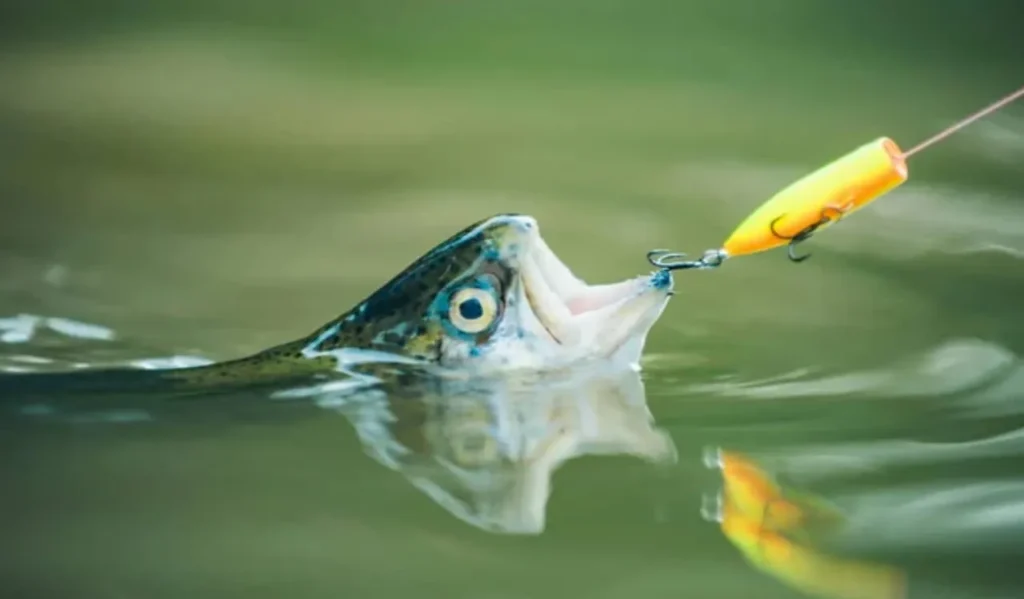
There are those that attack and those that bite timidly. It is important to adjust the speed of reaction in accordance with these signals. Bite reading and patience enables the angler to place the hooks with confidence enhancing the success of the catch and minimize the instances when an opportunity to catch is missed due to poor timing decisions.
Must-Read Guide for Anyone Looking for Top Rods
Matching Rod Action to Hook Set
Hook setting success is significantly dependent on rod action. Quick acting rods are used to set powerful hook and slow acting rods are slower and need a more controlled action. Correlation between rod action and lure type and fish species enhances hook penetration and avoids hook tear-off during the struggle.
The incorrect rod action may decrease the effectiveness. Hard rods are capable of bending line, whereas soft rods can be unable to push hooks in. Learning the rod flexibility enables the angler to know how to adjust the hook set force. The correct choice of the rod will provide even distribution of power and even penetration of hook in various fishing conditions.
Maintaining Proper Line Tension
Line tension is of great essence when ordering hook correctly. Slack line lowers penetration of hook and enables fish to spit the lure. Maintaining a small tension will be the guarantee of transferring energy instantly between the rod and hook. Monitored tension enhances precision and eliminates slowness of reactions to critical situations following the detection of a bite.
Too much tension will result in line breakage or pulled hooks. Fishers should maintain a balance in terms of the type of line and strength of the fish. Spoil and line angle monitoring are useful in ensuring consistency. The correct line management during and prior to hook sets results in improved hook-ups and a reduction in the number of fish lost in general.
Must-Read Guide for Top Picks of Best Fishing Reels
Timing the Hook Set Perfectly
Hook setting is depending upon timing. An early setting can cause the lure to come out of the mouth of the fish whereas a late setting can cause the fish to swallow or escape. Timing is also determined by the type of lures, fish species and the intensity of the bite as indicated by the rod and line feedback. In the case of artificial lures immediate hook set is frequently successful.
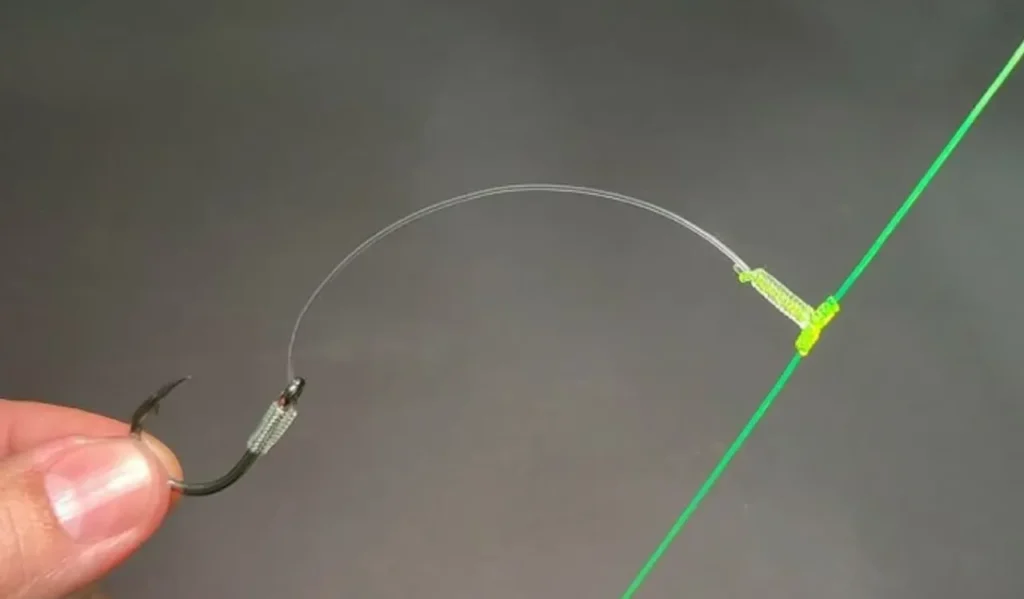
When using a live bait, a pause of a short period will ensure that the fish feeds completely on the bait. Timing is a skill that is learned by practice and enhances the penetration of the hook and the success of the landing. Timing is the master, which lowers the frustration and enhances efficiency in the freshwater or saltwater fishing experience.
Using Correct Hook Set Technique
Hook set technique is a method of controlled movement of rods as compared to overwork. The hook is pushed into the mouth of the fish by a firm upward or sideways movement. Smooth technique helps to avoid the damages of lines and enhance the penetration of hooks. The synchronization of the rod, reel and body action is the guarantee of efficient energy delivery during the hook set.
Do not use dramatic jerks which can break or tear off hooks. Rather, use constant pressure whilst raising the rod firmly. The method is dependent on type of lure and rod action. The correct hook set motions create muscle memory and make consistent results and a reduction in lost fish during strikes.
Different Types of Fishing Rods and How to Use Each Rod
Adjusting for Different Hook Types
Diverse hook styles have diverse hook set methods. The single hooks must be firm and the treble hooks must be light and controlled hook sets. The study of hook design assists the angler to modify the force and time. The correct hook-type to technique will enhance hook penetration and will not harm fish or tackle when striking.
The wide-gap hooks, circle hooks and offset hooks act differently in the fishes mouth. Hooks are frequently reeled by using a hook set that is not sharp. Knowledge of such differences avoids frequent errors. This is because appropriate hook adjustment guarantees increased landing rates, and fish safety, particularly when using hook types in catch and release fishing.
Setting the Hook with Different Reels
There are hook set techniques that must be used with spinning reels and baitcasting reels. Spinning reels have an advantage in that they have sweeping hook sets to hold tension, whereas baitcasters have an advantage in that they can have a more direct upward hook set. Reel type has an influence on line control, drag response and hook penetration on critical strike moments.
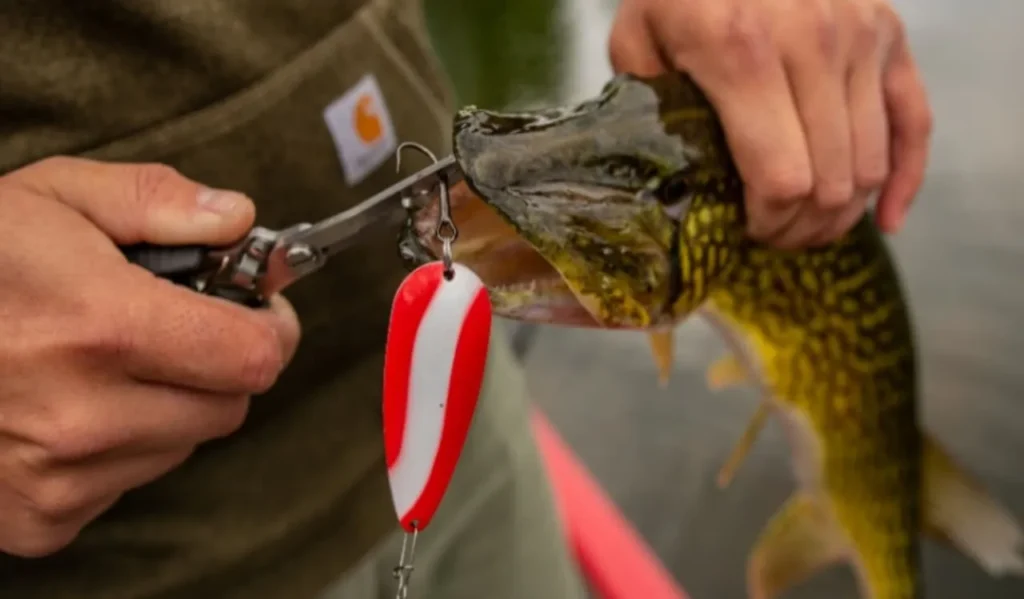
The knowledge on the reel mechanics enhances the efficiency of hook sets. Before fishing, make sure that the drag is adjusted. Hooks penetration is lost with too loose drag and breakage occurs with tight drag. The movements of reels and the rods are synchronized to maintain a constant pressure and enhance hook-ups in the event of fighting fish that are of different sizes and strength.
Common Hook Setting Mistakes
Most of the anglers lose fish because of frequent setting of hooks errors. Overreacting, laying the hook without thinking or neglecting of the line slack causes lost opportunities. The other error is the application of too much force with no consideration of the rod, fushing line, and hook strength. Consciousness is used to make the angler correct his or her practices that diminish success.
Inability to modify technique to suit conditions also results in difficulties. The bite detection and timing is influenced by wind, current and depth of water. Lack of these factors leads to poor hook sets. Making mistakes and varying techniques help the angler to become better and have confidence in various fishing conditions at all times.
Different Types of Fishing Reels and How to Use Each Reel
Practicing for Consistent Success
The perfect hook set is something that one has to master with practice. Repetition causes the angler to know bites, timing, and proper technique and use them instinctively. Diversity is achieved through training on various lures, rods, and reels. The confidence level also increases because hook setting is no longer forced or in a hurry.
The nature of the fishing conditions is dynamic and needs flexibility. Practising all the time enables an angler to perfect and react effectively. Good habits are reinforced when a hook set is observed to be successful. Anglers train themselves to have dependable hook setting skills that boost the number of catches and make the fishing process more fun and rewarding.
FAQs About How to Set the Perfect Hook
Final Thoughts
Dropping the ideal hook is a primary fishing art that differentiates between good and bad fishermen. Knowledge of bite detection, timing, and equipment enables the reaction of the angler. Correct hook setting also decreases the number of strikes that are missed and increases the landing rates. The art of this technique results in more predictable outcomes and increased pleasure of any type of fishing.
Hook setting is something one gets used to with time, patience, and detail. The techniques have to be adapted to hooks, rods, and conditions to make it successful in the long term. Experience is a way of learning and developing oneself. When executed in a proper way, the ideal hooking will turn bites into catchy moments and enjoyable fishing moments.