How to Select Fishing Gear for Freshwater: Ultimate Guide
Learn how to select fishing gear for freshwater, including rods, reels, lines, and lures, to match your fishing style and target species.
Choosing the right fishing equipment is essential for success and enjoyment in freshwater. Freshwater fishing includes lakes, rivers, ponds, and streams, each with different fish species and conditions. The best fishing rods, reels, lines and baits improve casting accuracy, sensitivity, and overall control. Understanding the basics makes selecting the right gear much easier.
Freshwater gear does not require being intricate and costly. This is important by ensuring that you are using the right equipment to suit the fish you are trying to get and the place you are fishing. With your equipment matched and appropriate to your type of fishing, you will feel less tired, your hook sets will be more successful and you will have a more enjoyable fishing adventure with ease.
Understanding Freshwater Fishing Types
Fresh water fishing comes in various forms which include; bank fishing, boat fishing, river fishing, and pond fishing. All the styles need slightly different equipment depending on the depth of the water, the strength of current and the distance of the cast. Fishing in rivers usually requires heavier line and heavier gear to deal with flowing water. Conversely, pond fishing is typically done with lighter gear and gear that is less complex.
Knowing your fishing location helps narrow down the right gear choices. Calm lakes and ponds allow the use of lighter rods and lines for better control and sensitivity. Rivers with strong currents often require heavier setups to manage water flow and fish strength. Understanding the fishing environment is the first and most important step in selecting freshwater fishing equipment effectively.
Must-Read Guide for Anyone Looking for Top Rods
Choosing the Right Fishing Rod
Fishing rods are available in different lengths, power and action in freshwater. Mid-range rods are of 6 to 7 feet and they are all round and can be applicable in a majority of freshwater conditions. The more popular species that light to medium power rods are effective include bass, trout, panfish and walleye. Selecting the appropriate rod enhances the control of casting.
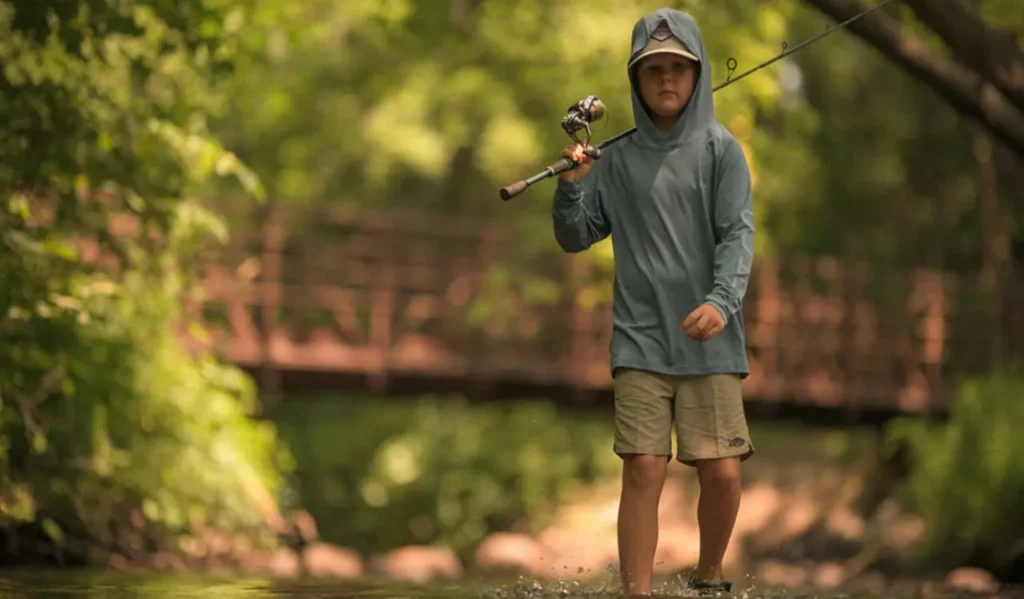
Another criterion of a fishing gear is the rod action. Most freshwater techniques have the sensitivity and control required in fast or moderate action rods. Making the right decision increases casting and presentation of lures. It is also more effective and enjoyable in fighting fish and in this regard, it gives a better control.
Selecting the Best Fishing Reel
The most used spinning reel in fresh water fishing, particularly among beginner fishermen, is the spinning reel. They are convenient to operate, versatile and suitable to light to medium lines. Baitcasting reels are also seen in the market, but they are more appropriate to experienced people who want to catch bigger fish.
The strength of the rod and the line used should be equal to the reel size. The smaller reels are good to use in targeting the panfish and trout using lighter setups. Larger reels of medium size are more appropriate with bass and other freshwater species. An adequately paired reel will provide easy casting, easy handling, and easy retrieval.
Must-Read Guide for Top Picks of Best Fishing Reels
Picking the Correct Fishing Line
The success of freshwater fishing is largely dependent on fishing line. Monofilament line is cheap, pliable and can be easily handled. It is particularly appropriate in the case of newcomers in learning the basic methods of fishing. The line does well in most freshwater environments. The selection of a suitable fishing line enhances the casting, control and the overall efficiency of fishing.
Braided line is stronger and more sensitive which is why it is applicable in heavy cover or deep water. Fluorocarbon line is almost transparent in water and can be used in clear water conditions. The proper choice of the line will be determined by the target species, the clarity of water, and the mode of fishing.
Choosing Hooks and Terminal Tackle
Hooks come in different sizes and styles, each suited for specific fish and baits. Smaller hooks are ideal for panfish and trout, while larger hooks are needed for bass and catfish. Choosing the correct hook size ensures better bait presentation and successful hook sets. Always match the hook to both the target species and the type of bait being used.
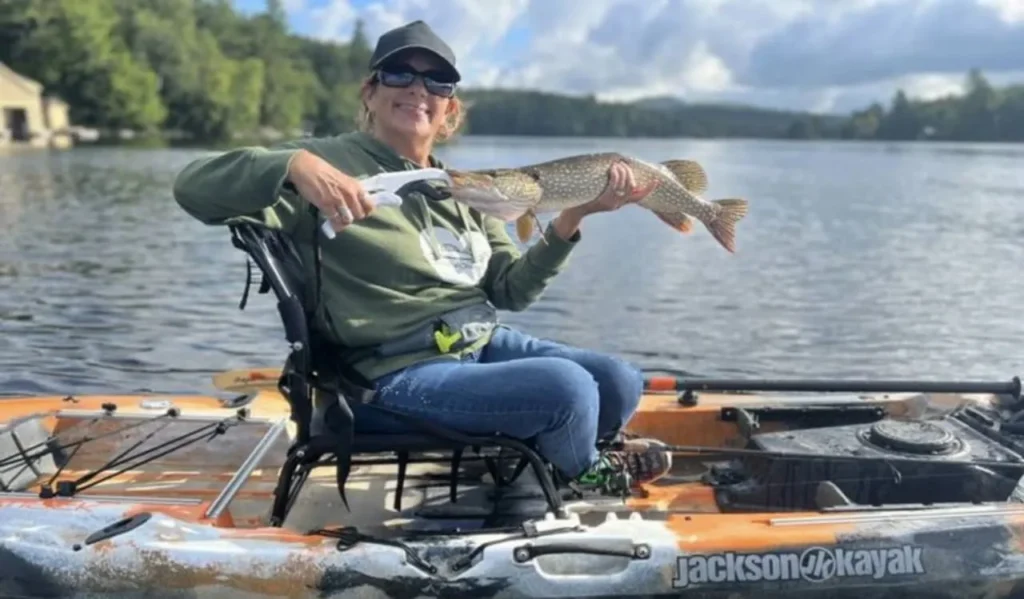
Terminal tackle consists of sinkers, swivels, snaps and leaders. These accessories are used to control depth, eliminate twisting of the lines and enhance presentation of baits. The ability of the fishermen to change to various freshwater fishing conditions easily in case of a small number of terminal tackle.
Selecting Lures and Baits
Freshwater anglers can choose between live bait or artificial lures. Live bait, such as worms, minnows, and insects, is highly effective for beginners. Artificial lures like spinners, crankbaits, soft plastics, and jigs allow more active fishing. They can also be reused multiple times, making them versatile and convenient for anglers.
The selection of lures is based on the behavior of fish and the nature of water. Bright lures are used in a murky water and natural colors are effective in a clear water. Enhancing the effectiveness and casting is done by matching your lure size and weight to your rod and reel.
Different Types of Fishing Rods and How to Use Each Rod
Matching Gear to Target Species
Different freshwater fish require different gear setups. Panfish and trout work best with light rods, small reels, and thin lines for better sensitivity. Bass fishing usually requires medium-power rods, stronger lines, and larger lures. Choosing the right equipment for each species ensures effective fishing and better control.
Fishermen need heavier rods and more powerful lines when fishing catfish and pike because they are large and strong. The awareness of what species you want to hunt allows you to select equipment that is strong enough and at the same time sensitive and controllable during the hunt.
Considering Comfort and Balance
The factor of comfort is also not taken into consideration when choosing fishing equipment. The balanced rod and reel eliminate fatigue of the arm and the wrist during extended fishing. The use of lightweight gear enhances ease of control and easiness of casting particularly among beginners.
Comfort also depends on the handle material of the rod. Cork handles provide a comfortable grip and greater sensitivity, while EVA foam handles are durable and weather-resistant. Choosing the right handle reduces fatigue during long fishing sessions. This allows anglers to fish more comfortably, making trips longer and more enjoyable.
Budget and Quality Considerations
Freshwater fishing equipment is available at a wide range of prices. Beginners don’t need to invest in expensive gear to get started. Affordable options can still provide great performance for learning. There are many budget-friendly rod and reel combinations perfect for recreational fishing. Choosing the right equipment helps beginners enjoy the sport without overspending.
Mid-range equipment is preferable to purchase over the very cheap equipment which can easily break down. Good equipment will last longer, work better and will make the fishing pleasure. The incremental replacement of equipment is a clever strategy in the case of new anglers.
Different Types of Fishing Reels and How to Use Each Reel
Maintenance and Care of Freshwater Gear
Proper maintenance of fishing gear helps extend its lifespan. After each fishing trip, especially in muddy or dirty conditions, rinse rods and reels with clean water. Dry all equipment thoroughly before storing to prevent rust and damage. Regular care ensures your gear remains reliable and performs well on every trip.
Examine the check fishing line on a regular basis and change when necessary. Keep store rods in a secure place so that they do not bend or break. Proper maintenance ensures that your fresh water equipment is in good shape and is available to go fishing at all times.
FAQs About Fishing Gear for Freshwater
Final Thoughts
Choosing the right freshwater fishing equipment does not require special skills or tricks. Success comes from understanding the fishing environment, the species you are targeting, and the basic gear needed for a balanced setup. Proper rods, reels, lines, and baits ensure the system works efficiently together. Using the correct gear improves accuracy, sensitivity, and control while fishing.
Whether you are a beginner or an experienced angler, the right freshwater fishing gear can improve every trip. Properly matched rods, reels, lines, and bait boost performance and efficiency on the water. Choosing suitable equipment builds confidence and reduces mistakes. Overall, having the right setup makes fishing more enjoyable and successful